On 13th November 1943 the pilot of this aircraft was flying on a training flight with other Hurricanes from No.55 Operational Training Unit, based at Annan airfield. During the flight this aircraft was flying low close to the A595 road at the time of the crash near Blindcrake and it was thought by local people that the pilot was making a dummy attack on an army convoy which was travelling along the road at the time of the accident. The aircraft was flying very low when it clipped a sycamore tree on the edge of a field, the aircraft must have been damaged enough for the pilot to loose control and its forward speed took some hundred metres further on in the air and across the road where it hit the stone gatepost of the bordering field and broke up. It is rumoured to have hit a Bren Gun Carrier on the road at the time of the crash and just before it hit the ground. The engine broke away from the main fuselage and was seen some distance up the field but the main bulk of the aircraft stopped just yards into the field. In the years that followed the Lake District National Park used the A595 as its boundary, the sycamore tree was not in the National Park but the crash site is in the National Park so I include it on these pages.
Pilot - F/O Robert Philip Dixon RAFVR (150191), aged 20. Buried Send Churchyard, Surrey.
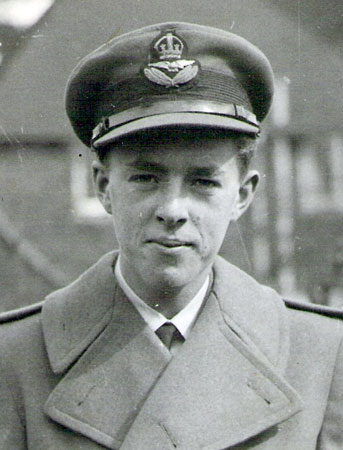
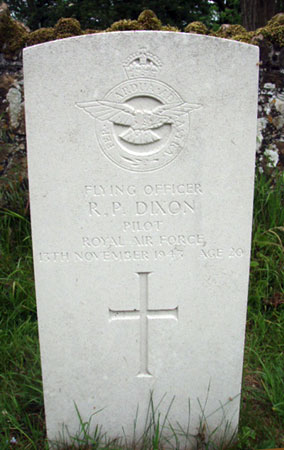
Robert Dixon was the son of Robert Stanley and Mary Newton (nee Mackinder) Dixon, of West Clandon, Surrey. He received a commission to the rank of P/O on probation (emergency) on 20th February 1943 and was promoted to F/O on probation (war substantive) on 20th August 1943. He was one of three brothers and one of his other brother's served in the RAF during WW2. The photograph of his gravestone was found on the internet and borrowed for this account until I visit his grave myself. I thank his nephew-in-law Mr Kevin Spicer for contacting me in January 2014 and for kindly supplying the photograph of Robert shown here.
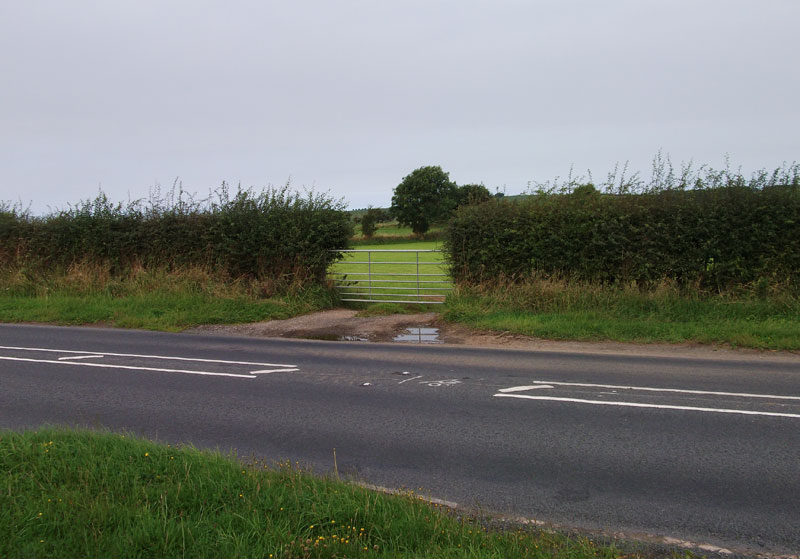
The sycamore tree that stood in the hedge row was about where the larger tree now stands in the centre of the photograph shown above roughly through the gateway (in 2013).
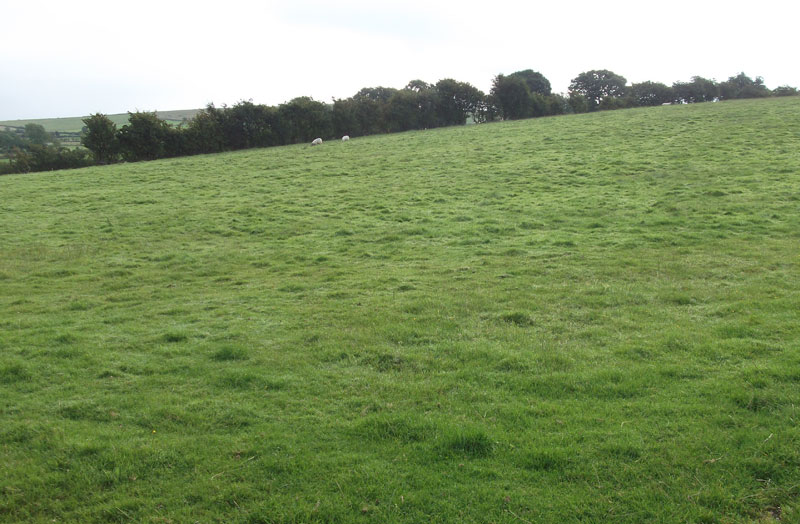
The main bulk of the aircraft came to rest in the foreground of this photograph with the engine being seen further up the field to the right of the sheep.
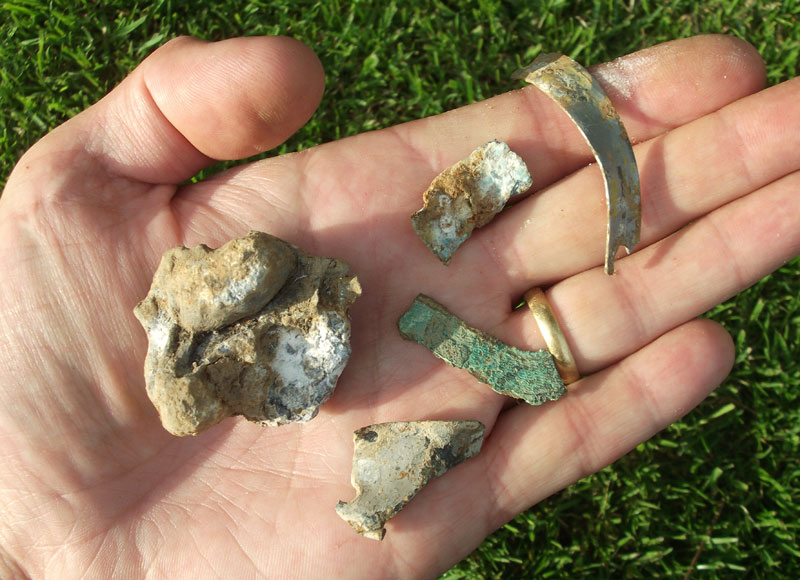
Military historian Mr Ade Harris lives only a few miles from this crash site and set about locating it in 2013, having spoken to witnesses and the landowner he found a few small fragments of the aircraft in the gateway to the field to confirm the location.
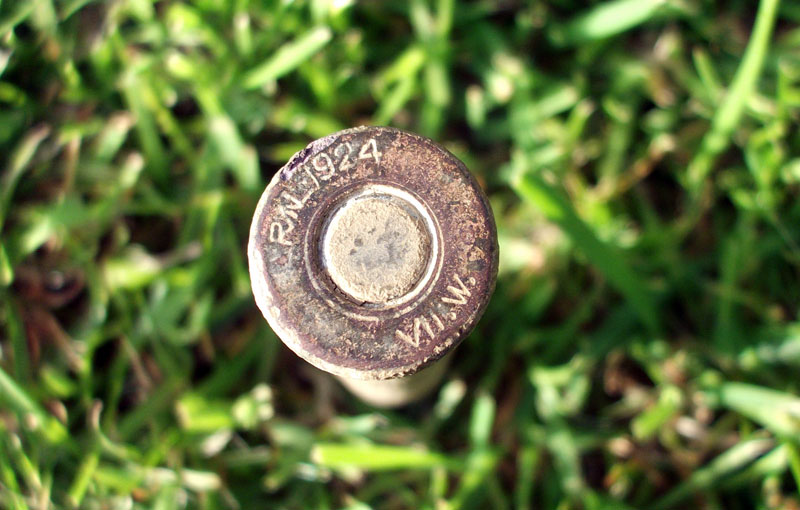
The head of a nineteen year old .303 bullet case found in the gateway to the field, the 1924 dated bullet case is almost certainly connected with this accident. As the date shown is "1924" rather than "24" it was produced for the RAF rather than the other services and shows the RAF must have been using up all old stock ammunition in 1943 though it must have done well to get through the Battle of Britain without being used. The lettering "RL" refers to the Royal Laboratory Woolwich, and "VIIW" is an armour piercing bullet. It is a rare find at a WW2 crash site.