On the night of 13th / 14th July 1945 crews of a number of Wickenby-based 626 Squadron Lancasters were instructed to undertake a training flight as part of a wider operational exercise and to use turning points after take off of Mablethorpe, then a point some fifty miles out into the North Sea due east of Mablethorpe, a further point into the North Sea (100 miles due east of Dundee), then returning to the coast at St.Abbs Head (near Berwick) before returning to base at Wickenby. The flight was to be made at various altitudes ranging from 5,000ft to 20,000ft and when they reached a point 100 miles left to Wickenby they were to inform base and they were to be issued with a time at which they had to land. This specific aircraft had taken off from Wickenby at 23.44hrs and flew the course as instructed up until they drifted too far inland from St.Abbs Head but corrected the error. When they reached the 100 miles from base point along with a time to land they also received information of a thunder storm combined with possible icing effects on the aircraft would effect their route south over the general area of the Yorkshire and Lincolnshire. The crew were informed that they would need to reduce height to fly below these storm clouds. The aircraft flew into the thunderstorm and was subsequently found to have crashed near Wharram Percy deserted village at 02.00hrs, it disintergrated across a field with six of the seven man crew being killed. The rear gunner survived the crash and he spent five hours laying injured in the field blowing on a whistle, the whistle blasts were eventually heard by a group of farm workers heading to begin harvest. It was thought that the aircraft may have been struck by lightening prior to the crash but it was thought more likely that a vivid lightening flash had temporarily blinded the pilot which resulted the aircraft striking trees near the crest of a ridge while in level flight and while flying at cruising speed.
Pilot - F/Sgt Sydney Philip Bell RAFVR (1389006). Aged 27. Of Wakefield. Buried Wakefield Cemetery, Yorkshire.
Navigator - Sgt Lawrence William Garfield RAFVR (1815298). Aged 23. Of Warley Woods, Smethwick, Staffordshire. Buried Quinton Cemetery, Warley, Birmingham.
Bomb Aimer - Sgt Henry Jacob Plastow RAFVR (1824870). Aged 20. Of Edinburgh. Buried Piershill Cemetery, Edinburgh.
Wireless Operator / Air Gunner - Sgt Percy John Allsebrook RAFVR (1574022). Aged 21. Of Milton, Southsea. Buried Milton Cemetery, Portsmouth.
Flight Engineer - Sgt Stanley Welsh RAFVR (1597250). Aged 19. of Annfield Plain, Durham. Buried Harelaw Cemetery, Stanley, Durham.
Air Gunner - Sgt Roy Charles Thomas Goldthorpe RAFVR (1893883). Aged 20. Of Welling. Buried Bexleyheath Cemetery, London.
Air Gunner - Sgt John Critchley RAFVR (2204035). Survived.
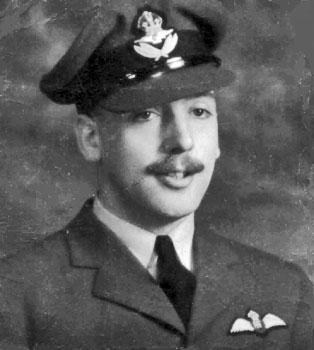
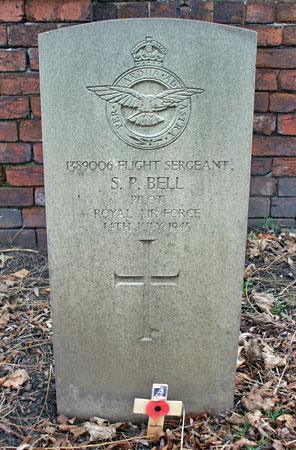
Sydney Bell and his gravestone in Wakefield Cemetery. Both photographs were found on "Findagrave.com" website and I credit Stephen Farnell with uploading them. He trained as a pilot in Canada and after being awarded his Wings there was posted back to the UK to continue his training. He trained at 3 (P)AFU at South Cerney, 20 OTU at Lossiemouth and 1656 HCU at Lindholme before posting to 626 Squadron in May 1945.
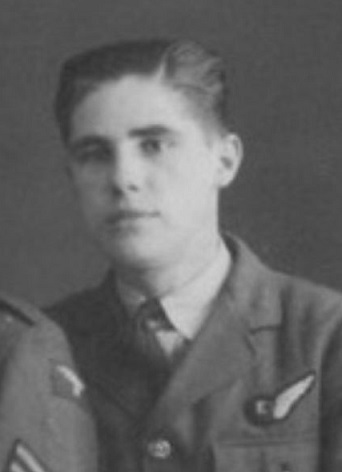
Stanley Welsh. Photograph kindly supplied by his great nephew Mr A Hardy.
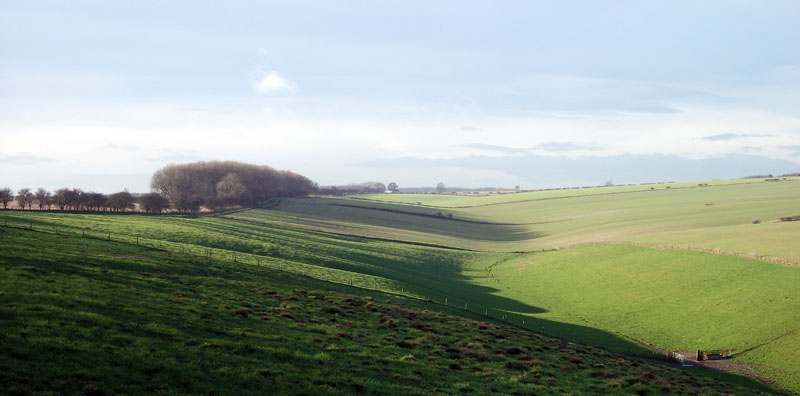
The aircraft flew into the line of small trees on the left crossing over the valley immediately before the crash.
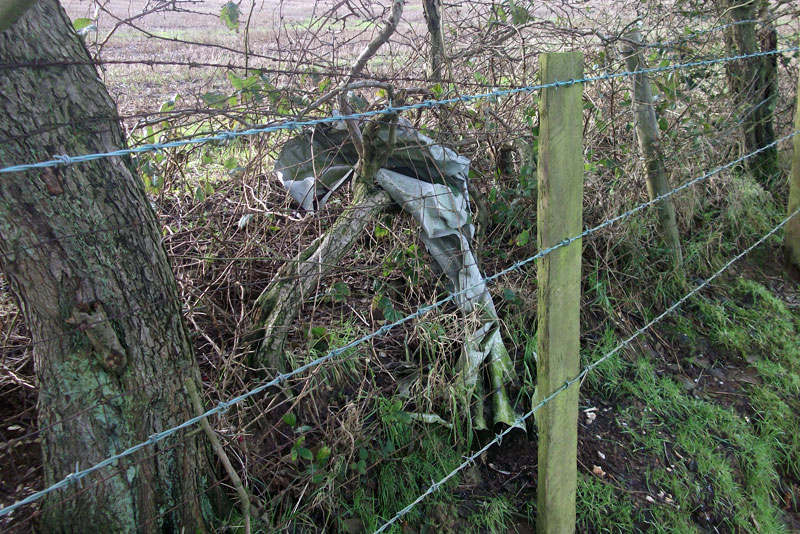
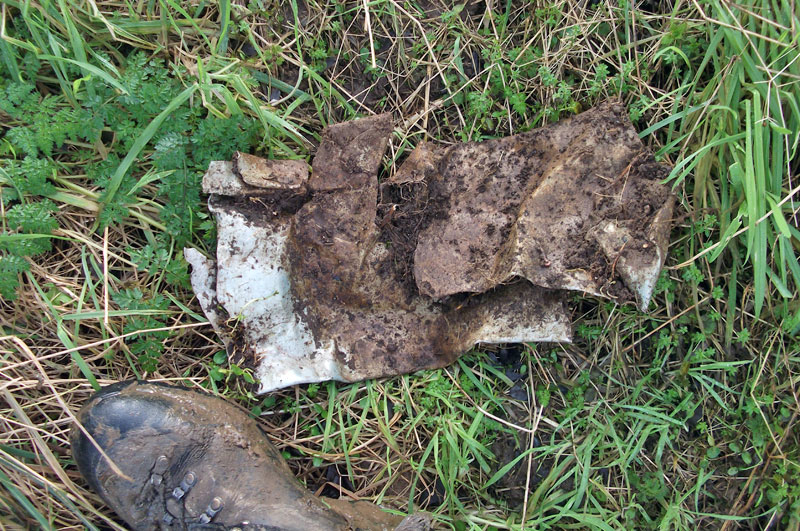
In January 2016 I found two reasonably large pieces of aircraft skinning in the hedge row near the crash site, probably dragged up by ploughing and abandoned in the hedge.