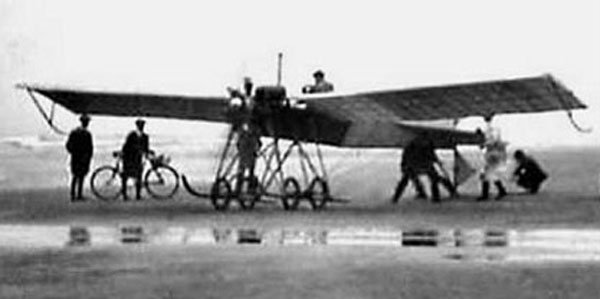
Blackburn Mercury II on Filey Beach.
This aircraft was been flown along the sands at Filey on 18th May 1911 when, at a height of about thirty feet, the propeller flew off causing the aircraft to then crash onto the sands. The pilot was slightly injured, the propeller closely missed a number of spectators who had gathered to watch him fly. The pilot was undertaking a flight, which if successful, would have given him the qualifications needed to be a member of the Royal Aero Club. The aircraft was repaired and he would successfully gain the qualification later in the month.
Pilot - Mr Bentfield Charles Hucks. Slightly injured, bruised legs and cut face.
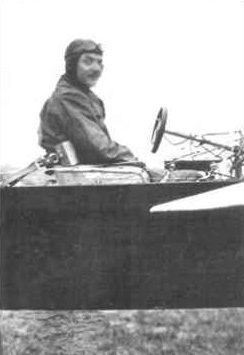
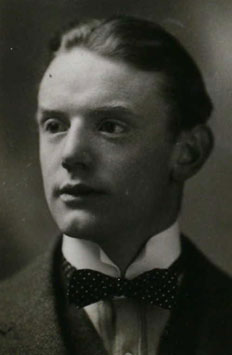
Bentfield Hucks seated in a Blackburn Mercury. He was born in Bentfield End, Essex on 25th October 1884. After spending a few years in the early period of civilian flying and became the most highly regarded pilot of his day. He gained his Royal Aero Club aviators' certificate (Cert.No.91) at Filey on 30th May 1911 and until the outbreak of the First World War he flew across the country and gained the reputation of being a brilliant pilot. He was the first pilot to loop the loop and to fly an aircraft upside down. On the outbreak of War he entered into military service. He flew in France until contracting pleurisy, he then took on a role in testing aircraft for the Royal Aircraft Factory, Aircraft Manufacturing Company. He also designed the Hucks Starter, a ground vehicle used to start aircraft engines instead of the former method of turning the propeller by hand. Captain Benny Hucks died on 7th November 1918 of pneumonia resulting from Spanish Influenza. He was thirty five years old and is buried in Highgate Cemetery, London. Perhaps the most fitting tribute to him was given in his obituary published in Flight Magazine, which stated "there will never be another Hucks".