On 25th September 1951 the crew of this aircraft were undertaking a training exercise flying from their base of Eglinton, Northern Ireland. The exercise would involve taking off and then being given instructions to fly over an area of sea as part of a simulated anti-submarine patrol. Only after taking off were they instructed to the area they would carry out the flight and the area this crew were instructed to patrol was an area of sea off the southern side of Islay. Before the aircraft would have arrived in the area off Islay the ground controller was to have contacted the crew after taking off to divert the course of the aircraft but could not contact it. At around 10.30am the aircraft failed to respond to radio messages and it was believed to be missing. Low cloud was covering much of Islay on this day but the crashed aircraft was eventually located from the air in the mid-afternoon. By dusk rescuers on the ground had reached the crash site and recovered the bodies of the two airmen for later burial at Eglinton. It was considered that the aircraft was not flying high enough given the high ground of the islands and mainland over which it may have flown in poor weather with low cloud. This incident is to be covered in Dave Earl's book "Lost to the Isles, Volume 4".
Pilot - P4 Donovan James Slater RAN (A37423), aged 20, of Paddington, New South Wales, Australia. Buried Eglinton Cemetery, Northern Ireland.
Navigator - O4 Edward Joseph Edmonds RAN (A37457), aged 21, of Melbourne, Victoria, Australia. Buried Eglinton Cemetery, Northern Ireland.
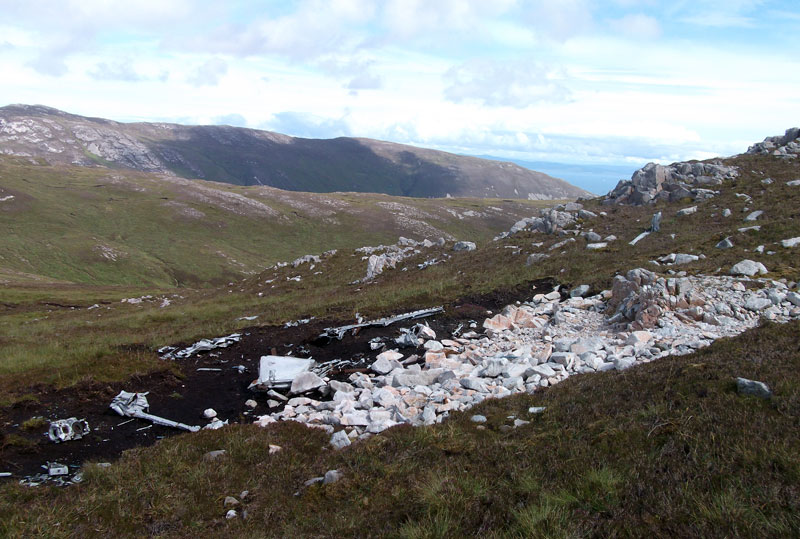
I visited the crash site in August 2015 and spent some hours recording the site. Little seems to have changed at the site since Alan Clark's visit and posting photographs on "www.peakdistrictaircrashes.co.uk/pages/scotland/scotlandwb336.htm". The photograph above shows where the main fuselage section of the aircraft burnt out as seen in 2015.
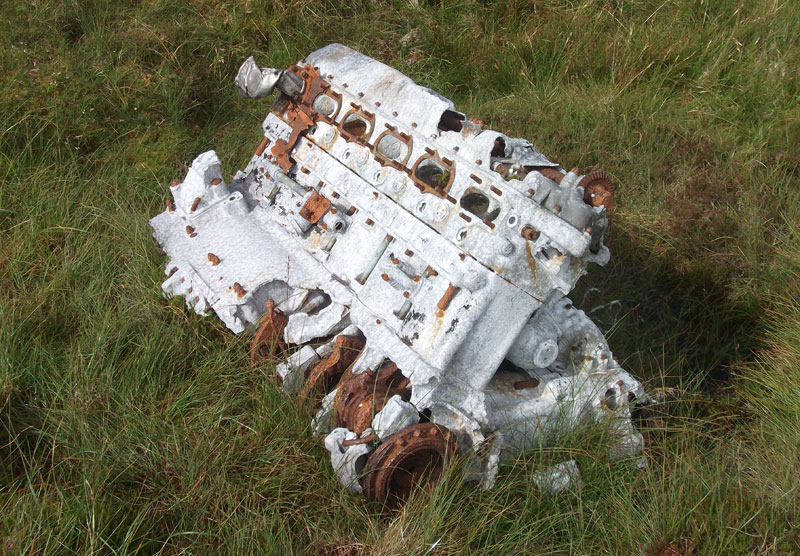
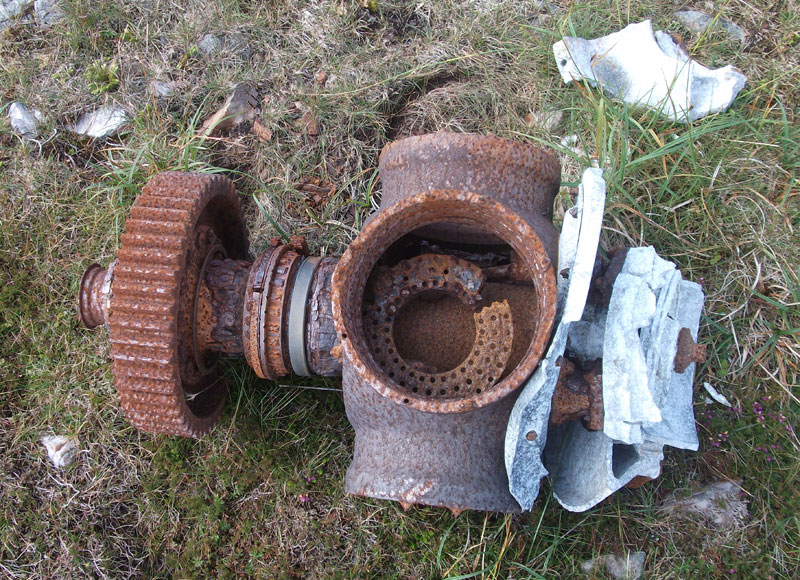
The Rolls Royce Griffin engine and supercharger.
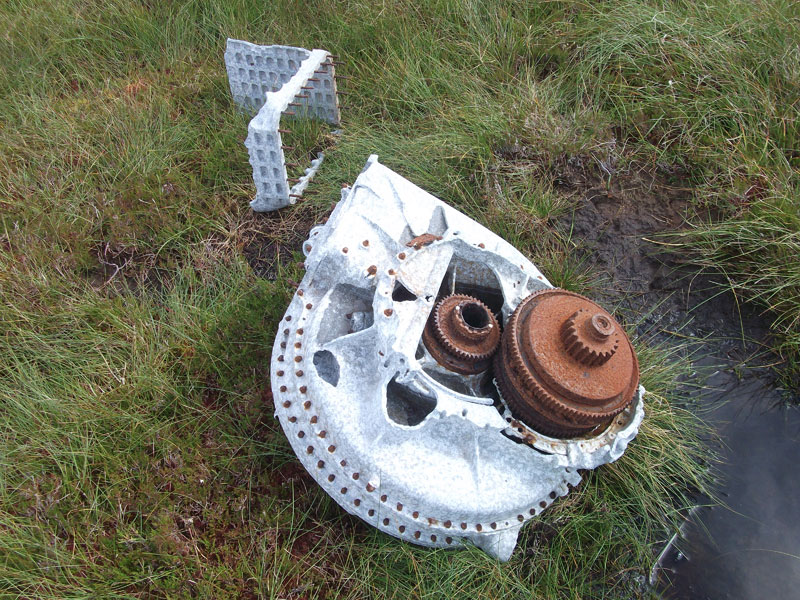
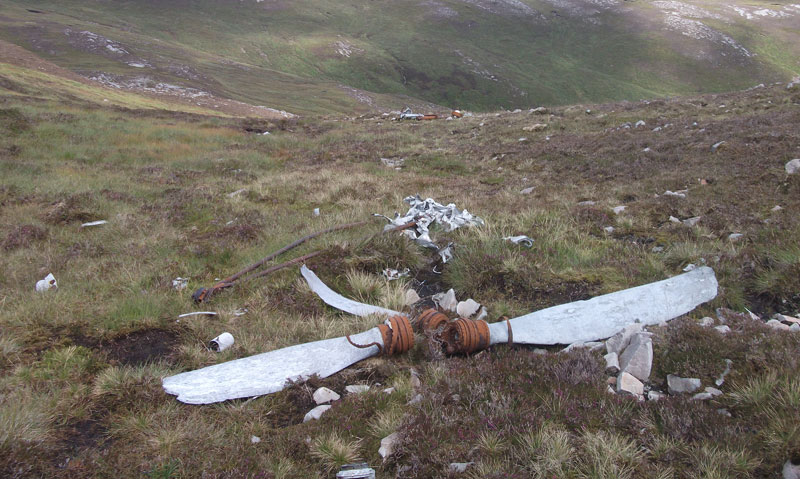
Three of the four propeller blades the aircraft would have had are still at the crash site as well as the propeller boss.
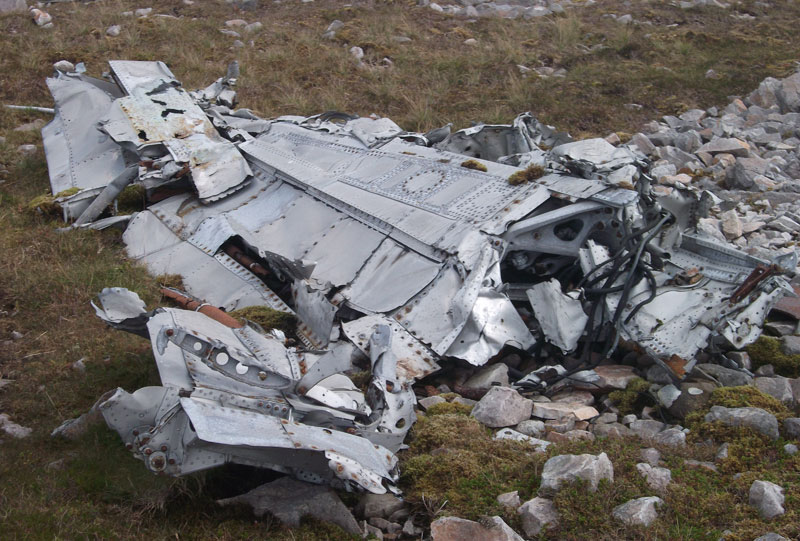
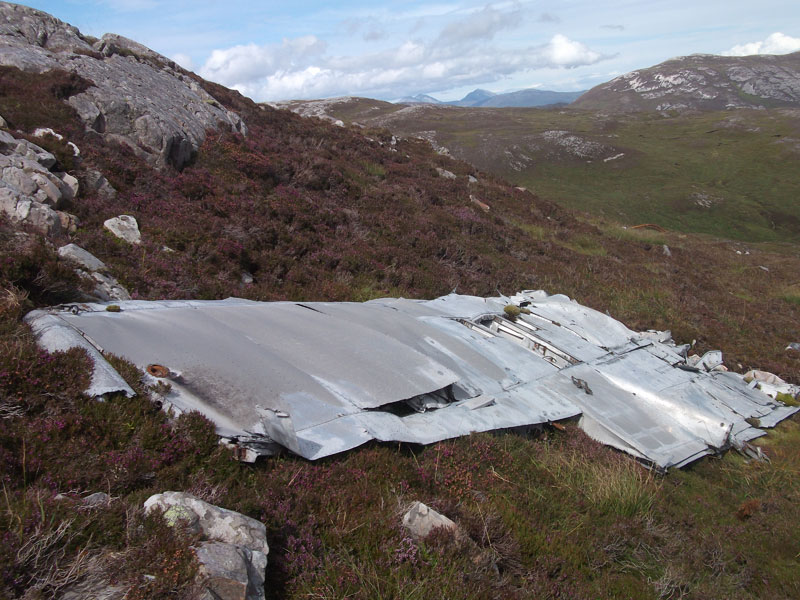
Both wings of the aircraft are still at the crash site, one being in a far better condition.
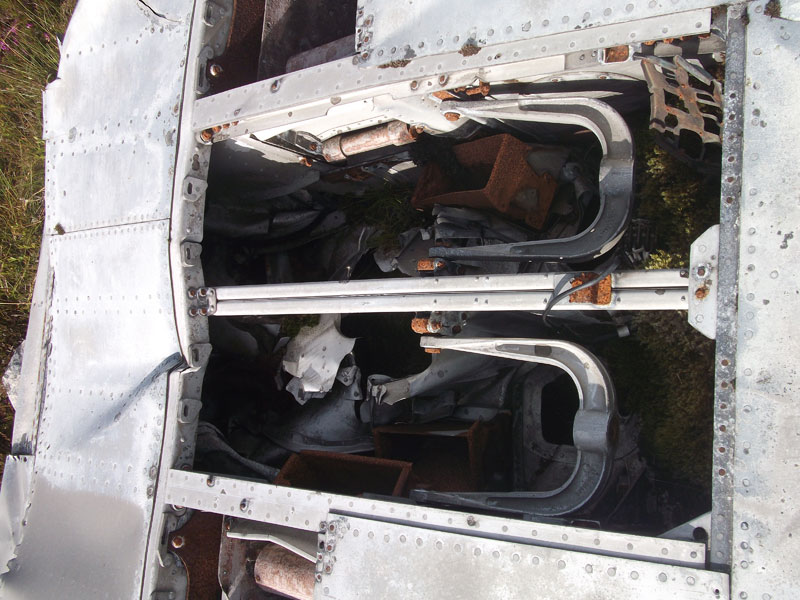
The voids in the wing which would have held 20mm cannons when needed. The cradles for the cannons are the u-shaped and the rusting boxes are the ammo chutes.
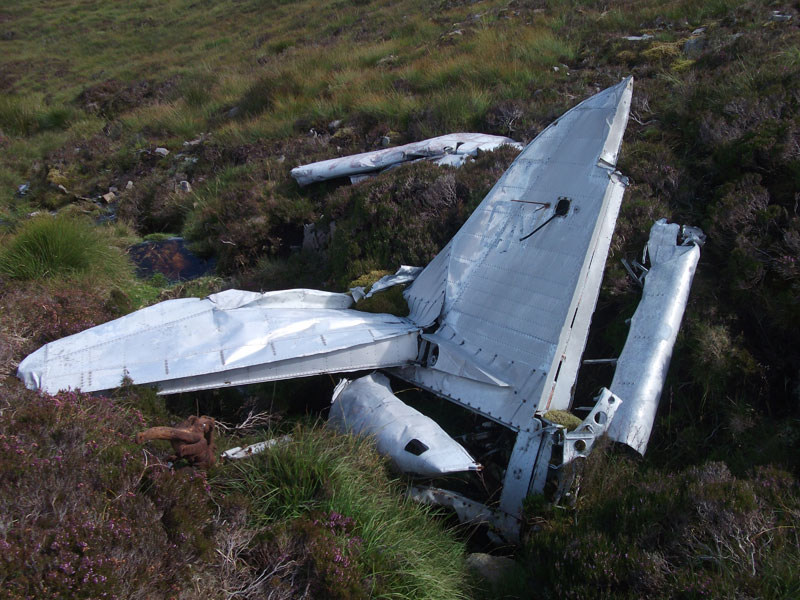
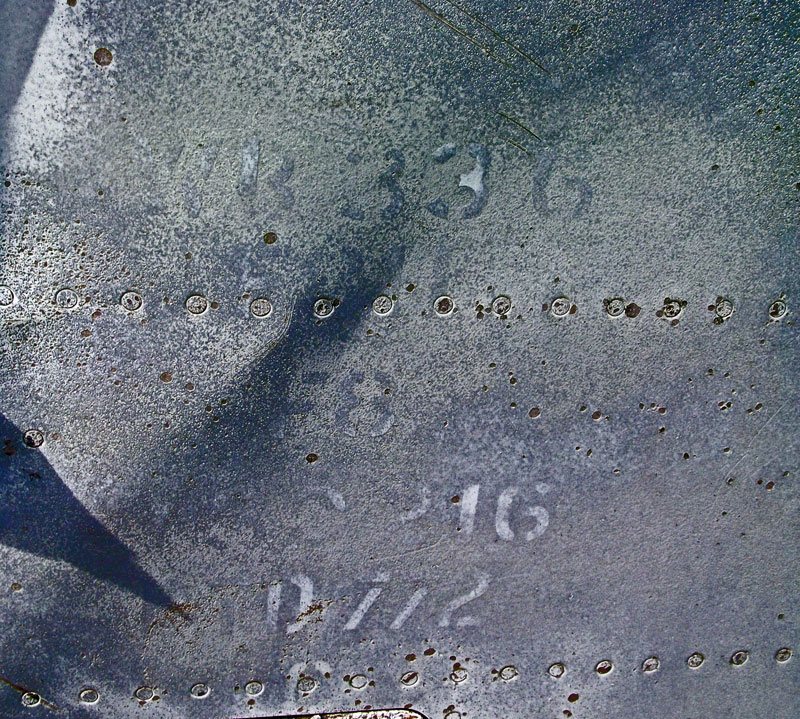
The tail section of the aircraft with the "GN" Eglinton code on both sides as well as the aircraft serial number "WB336 on the side that's pressed into the heather.
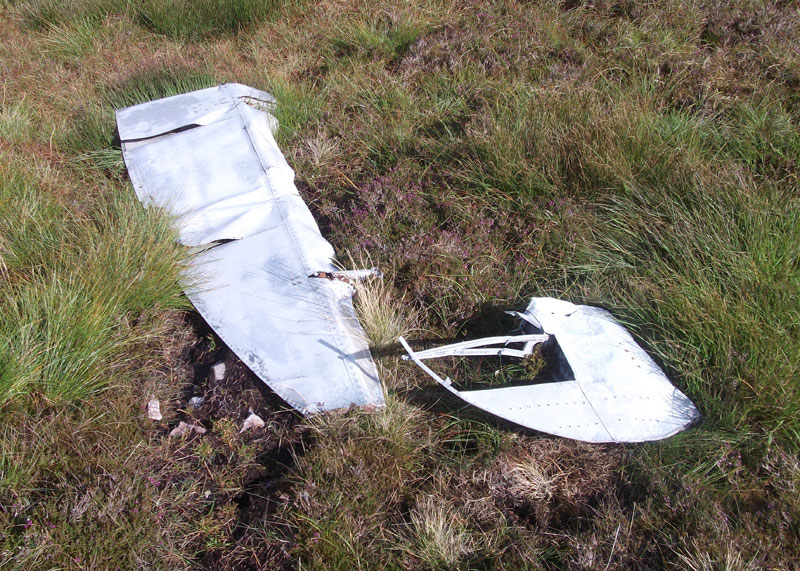
Another two sections of the tail.