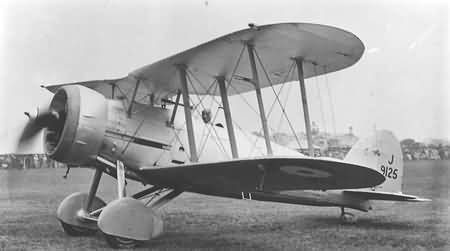
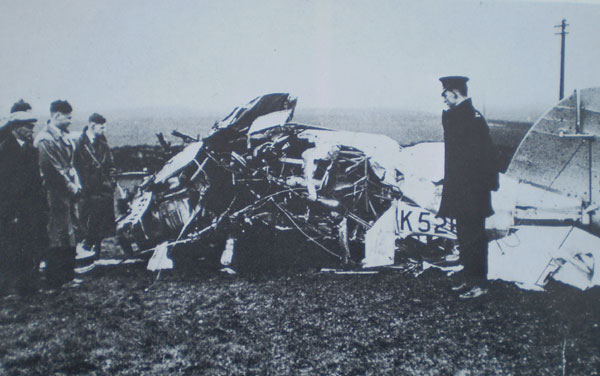
This No.8 Flying Training School aircraft was one of a number of fighters flying to Montrose on Sunday, 18th April 1937 returned to their base from an attachment at Catfoss airfield where training had been carried out. The route up and down the country at this period was such that pilots simply followed the coastline and landed at airfields near the coast to re-fuel. As this aircraft made its way north it flew into thick fog covering the North Yorkshire Moors coast on this day and having got into difficulties the pilot, it would appear, tried to force-land his aircraft on a road near Ravenscar. At one side of the road there were telegraph poles, the other side of the road had poles carrying electricity. The pilot clipped a stone wall along the road side with his undercarriage whilst trying to land, a wing then struck an electricity pole with a flash, removing the wing and bringing down the pole and wires. The aircraft then swung across the road narrowly missing a cottage, through the branches of a small tree before coming to rest in a field badly damaged a hundred yards from the first point of impact with the wall. Two young children, John and Eileen Brand (aged two and three respectively) had lucky escapes, the broken electricity pole missed them by only a matter of feet. A number of local people had witnessed the crash, the owner of the house that was missed by feet, Mrs Brand and owner of the Crag Hill Hotel, Miss Smallwood are given mention in the local paper press report as rushing for help in Ravenscar. Mr H Gibson who lived close by was one of the first to reach the plane, he told the local paper that he saw the pilot still conscious but hanging out of the plane by his safety belt. Fuel was leaking badly over the area so Mr Gibson reached into the cockpit area and switched off the aircraft to avoid the fuel being ignited. The engine broke off on impact and had made its own route across the field and lay some thirty yards from the main wreckage. Whilst this was happening on the ground, two other aircraft that this Gauntlet had been flying with were circling overhead. The pilot of the crashed aircraft was lifted from the wreckage and carried to a neighbouring house to await the Cloughton doctor, Dr B G Forman, arriving before being taken to Scarborough Hospital with severe shock, head and chest injuries and puncture wounds. Twenty minutes after the crash the fog began to lift but power to Ravenscar was cut off for some time before being restored by the Scarborough Electricity Department.
Gauntlet K5281 was built to contract 296880/35 by the Gloster Aircraft Co. Ltd. and delivered directly to 8 FTS on 2nd May 1936. It suffered
Cat.W/FA damage in the above incident. The wreckage was taken to RAF Station Driffield for assessment on 22nd April 1937 where it was struck
off charge sometime later. It had done 206.55 hours total flying time.
Pilot - LAC Frank Morton RAF (580250), of 52 Hinton Road, Ardington, Birmingham. Seriously injured.
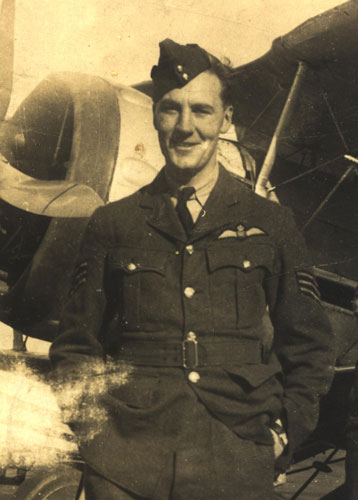
Frank Morton, standing in front of a Gauntlet and after he was promoted. I would like to thank Mrs Lilian Macdonald for contacting me in October 2008 and for the photograph shown here. Her father being the pilot involved in this incident. Whilst knowing little about the Ravenscar incident she does know more about her fathers Wartime flying. He was lucky to escape with his life in this incident and had completed a total of 143 hours flying prior to the crash, 17 hours of these were on the Gauntlet and all these being in the six months leading up to the crash. He gained his Wings at Christmas 1936, after training at 8 FTS, Perth. Sgt Morton continued his training and was married to Jessie in December 1937 and joned 263 Squadron. They had a daughter in November 1940 whilst he was stationed at Drem. He would be posted to Exeter with the squadron in late-1940. Not long after on the 9th January 1941 he was sadly killed while operating from Cornwall and in a letter received by the family it stated that he was killed in a flying accident near Ebford, Exeter. An extract from this letter states that "Frank was flying a Blenhiem with a gunner and observer and had been sent to bomb German shipping at L'Orient in France. The plane was hit and one engine was destroyed. He managed to fly it back to England but smoke was pouring from the plane and the engine blew up. Frank was thrown from the plane" when it crashed. Some research into his death sees the facts disagree with the letter. The aircraft was Blenheim L1123, he was definitely was flying solo and from Warmwell to Exeter when the starboard engine caught fire roughly over Exeter aerodrome. Sgt Morton baled out at a hundred feet above the ground but was killed and the aircraft dived into the ground near Topsham, Exeter. No mention of enemy action. Frank Morton is buried at Boldmere (St.Michael) Churchyard, Warwickshire.
A photograph of the crash site taken at the time.
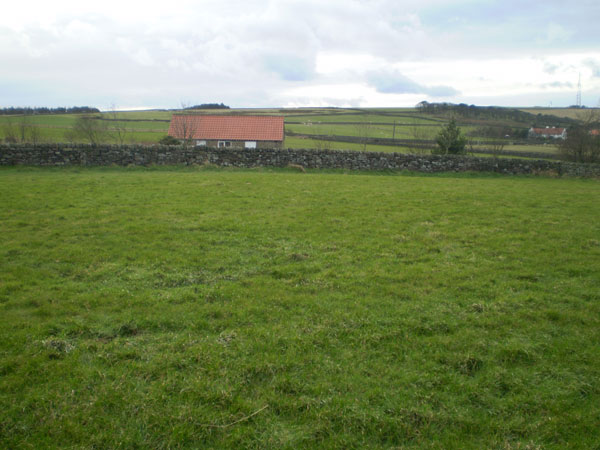
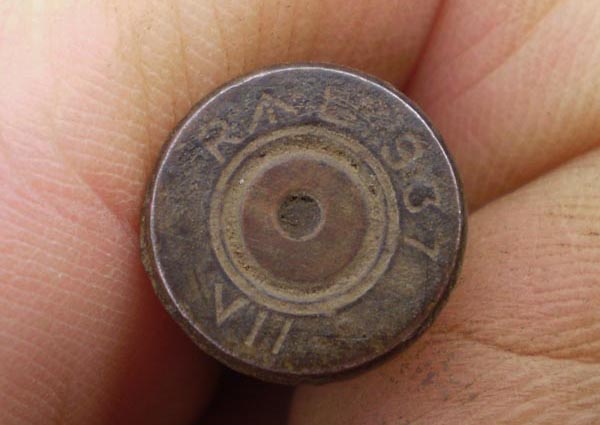
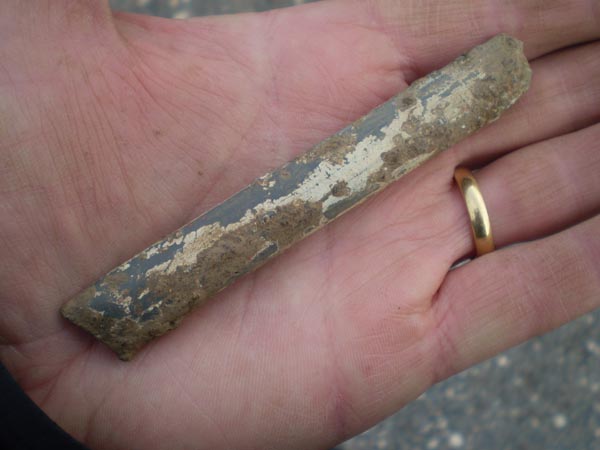
In February 2008 I was invited to search for the crash site with air historians Ken Reast, Albert Pritchard and Eric Barton. The site is on private farmland and permission to visit the site was granted by the Agar family of Ravenscar. The telegraph and electric poles down each side of the road were removed some years ago which was unfortunate as lining the crash photo with the field would have been easy. The house the aircraft just missed was actually two smaller cottages remain and one had been the post office, these were knocked into one and in recent years the house has been made substantially larger. Which tree the aircraft clipped cannot now be determined although a tree infront of the farm house has been heavily cropped in the past and could be the one. Only one peice of the aircraft was found in the field and possibly a spent .303 bullet found could have been from the aircraft possibly left in the aircraft after a firing exercise on the Skipsea or Wash ranges prior to the crash. There is no visible sign of the incident today that we could determine. A number of other spent .303 bullet cases were found but these dated to the Second World War era probably left by the Home Guard. We thank the Agar family for allowing the visit, the Brand family for information in locating the site and to a lady who lives nearby for her research work on the day though I sadly did not get her name.